
Mystery in the Skies: Global Pilots Challenge Air India Crash Findings
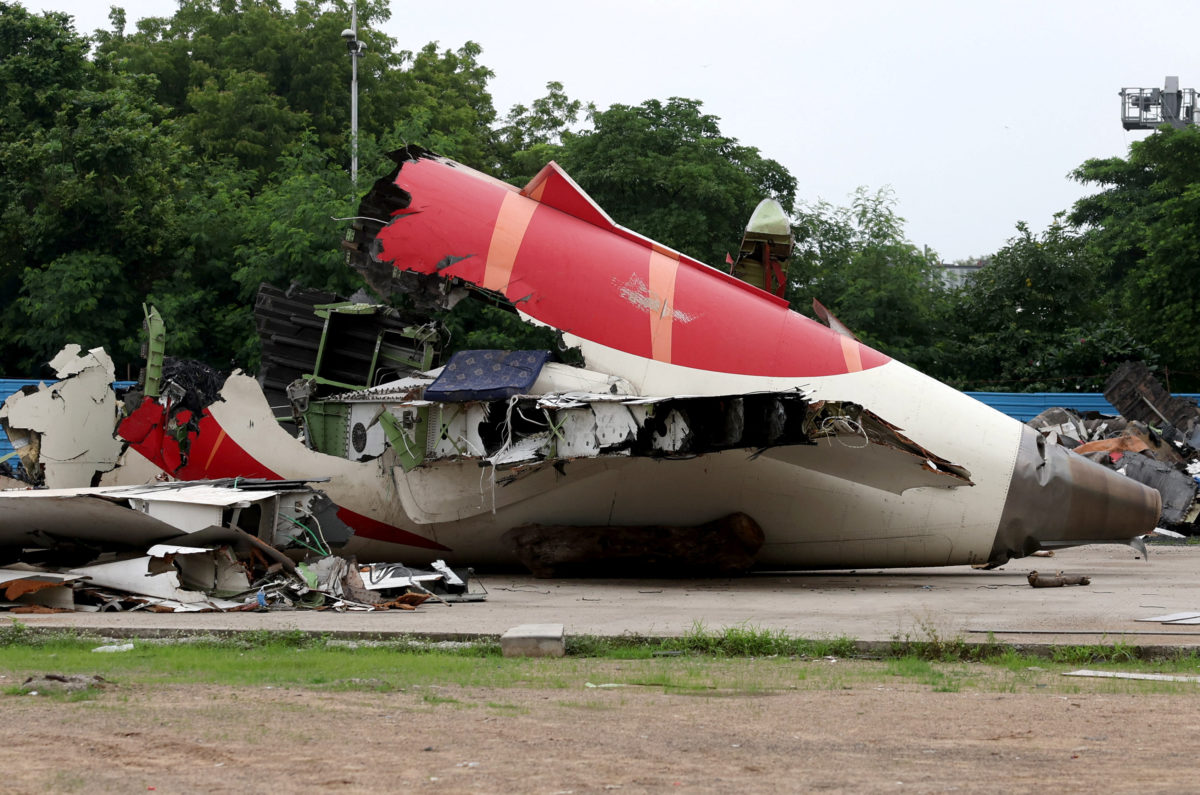
On June 12, 2025, Air India Flight AI 171, a Boeing 787-8 Dreamliner, crashed into a residential building near Ahmedabad just seconds after takeoff, killing 241 onboard and 19 on the ground. Only one passenger survived. The Aircraft Accident Investigation Bureau’s (AAIB) initial report, issued in mid‑July, confirmed both engine fuel‑cutoff switches were manually moved from RUN to CUTOFF, cutting fuel flow and causing thrust loss. Cockpit audio captured one pilot asking, “Why did you cut off?”, and the other responding, “I didn’t do it.” The engines restarted but too low for recovery
What Pilots and Aviation Experts Are Saying
IFALPA and Global Pilot Unions Urge Restraint
The International Federation of Air Line Pilots’ Associations (IFALPA) criticized the preliminary report, calling it incomplete and cautioning that it raises more questions than it answers. They warned media speculation—especially regarding pilot suicide—is premature and undermines the integrity of the investigation.
Domestic Pilot Bodies Reject Speculation
India’s commercial pilots’ associations (ICPA and ALPA India) called allegations of pilot culpability or suicide “reckless and unfounded,” strongly opposing narratives lacking confirmed medical or technical evidence. They emphasized professionalism and the need for conclusive evidence before assigning blame.
Diverging Expert Opinions on Possibility of Manual Switch-Off
- Captain Mohan Ranganathan, a veteran Indian aviation expert, asserted that the fuel cutoff switches cannot be moved accidentally—they require deliberate manual action. He said this points toward intentional human intervention, though he stopped short of labeling it a suicide case, noting one pilot had documented medical leave and stress.
- Captain Rakesh Rai, with Dreamliner experience, pushed back on the manual theory. He highlighted that “transition” in the report could reflect software control over fuel valves, not literal physical switch movement. He also noted missing context—if the action were deliberate, a significant argument in the cockpit would be expected but was not documented.
- Captain Kishore Chinta, chief pilot at Sirius India Airlines, described accusations of deliberate switching as “absolutely absurd,” pointing out that formal voice transcripts, cockpit surveillance logs, altitude data, and warnings must be disclosed to clarify intent—and that these remain missing from the initial report.
Families Demand Transparency and Final Answers
Victims’ families across India and abroad have rejected compensation offers, calling the preliminary report evasive and a potential “cover‑up” that shields responsibility from Boeing, Air India, and regulators. They insist on mechanical or maintenance checks, FAA recommendations that were advisory but allegedly unimplemented, and demand full disclosure in the final report later this year.
🔍 The Investigation Today: Where It Stands
Key Area | Status / Concern |
Fuel-switch behaviour | Both switches shifted to cutoff per data and confirmed by AAIB. Physical cause unexplained. |
Pilot intent or error | Debate ongoing. Some experts point to manual movement; others propose software glitch or misinterpretation . |
Mental health factors | Investigated after reports Captain Sabharwal may have faced personal stress; no conclusive link yet . |
Safety recommendations | None issued in this preliminary phase as per ICAO guidelines; deeper probe still underway . |
📝 The Big Picture: Questions Unanswered
- Who actually moved the switches? The cockpit voice record did not identify the speaker timeline or timing.
- Was it dishonesty, confusion or malfunction? Both pilots denied responsibility; no mechanical fault reported so far.
- Could software override have cut fuel without toggle movement? Rai suggests modern systems may shut off fuel electronically, even if switch position remains in RUN.
- Was there medical or mental health grounds? Speculation exists, but no medical cause is confirmed publicly.
- Why was the FAA’s 2018 advisory only advisory—was it followed? Regulators ordered inspections of Boeing switch locks but families suspect prior lapses.
✍️ Conclusion
The preliminary AAIB report has laid groundwork—it confirms a fuel cutoff triggered engine failure and cockpit confusion—but provides no definitive cause. Pilot unions worldwide stress caution against speculative narratives, while experts remain divided between intentional human action and possible system control mechanisms. Families are demanding transparency, and regulators have begun global inspections of similar Boeing aircraft. Yet the core mystery remains unsolved.
Only a final, comprehensive investigation report—expected months from now—can shed light on what truly happened: whether this tragedy was caused by human design, system failure or isolated misjudgment. Until then, the crash of Flight AI 171 continues to be a reminder of aviation’s unforgiving margins and the urgent need for clarity.